Blog
The Vinyl Collector's Guide
Tips, guides, and insights to help you build, catalog, and enjoy your record collection.
Tips, guides, and insights to help you build, catalog, and enjoy your record collection.
Groove Vision, Scratch Detection, prices at your grade, the Tap Card and nineteen on-device AI features. 51 days, 131 builds, one developer. Out now.
Build an album collection metadata checklist that identifies the exact pressing, tracks condition by component, and makes each record easier to keep, spin, or sell.
Record market alert features help collectors act on price moves without turning a vinyl library into a ticker. What an alert should tell you, and what it cannot know about your copy.
Apple vinyl workflows put your collection, condition evidence, spin history, and shelf-level discovery on the iPhone, iPad, Watch, and TV you already own.
Document scratches, playback marks, and a record's history with evidence a future buyer can inspect, instead of a grade someone typed once under bad light.
A worked example of a spin log that records the pressing, the condition, the setup, and the details that make a collection personal rather than merely counted.
Pressing, condition, history and spins are what separate a catalogue from a list. How to capture metadata that stays useful as a collection changes.
A recommendation that survives the trip between shelves carries the pressing, the condition, and a reason. How to build a private circle that sharpens a collection.
Tag the sleeve, never the record. Placement, testing, and a workflow that keeps a tagged collection trustworthy instead of merely clever.
Memory does the work of a database badly. Why pressing-level records, a spin log, and real condition evidence are easier to start early than to backfill.
Same cover, same tracks, different record. How mastering, the cut, the plant, and the life of your specific copy each change what you hear.
Spinstack runs on Apple TV with two-way Discogs sync. What a television view should do for a collection, and which jobs still belong on the iPhone.
Backup restores your library. Export lets you leave with it. What each one preserves for a record collection, and why sync is neither of them.
What a condition scanner actually documents: LiDAR scratch depth, microphone playback mapping, and where a Goldmine grade still does the real work.
Read the dead wax with confidence: matrix codes, mastering signatures, plant identifiers, and how to match a runout to the exact pressing you own.
Put your collection on the biggest screen in the house. Cover art, search, and ambient browsing built for the room you listen in.
Discogs versus a catalog app is not either/or. See where each excels, and how collectors run both together without duplicate work.
Vinyl does not scrobble itself. Learn to log spins accurately and build a listening history that matches the records you actually own.
Catalog pressings, log plays, check values, and buy smarter. A repeatable weekly routine for people who live inside Discogs.
Looking for a Discogs alternative on iPhone? See what to expect from scanning, logging, valuing, and browsing a collection natively.
Value your own shelves using pressing data, condition grades, and sale history, then keep that number honest as the market shifts.
Editions, shelf discovery, listening history, value signals, and design. Here is what separates a real collector app from a database.
Subscriptions add up over a collecting lifetime. Compare the true cost of renting a vinyl app versus owning one outright.
Yes, but with limits. See what the Discogs app and browser handle on iPad, where collection work gets cramped, and how to fix it.
A Mac app should use the screen it is given. Pressing data, listening history, value tracking, and shelf-level insight at full size.
Spreadsheets work until they don't. Here is the point where a collection outgrows a grid, and exactly what you gain when you switch.
Catalog records on iPhone with accurate pressings, fast barcode scans, and condition notes that stay useful years from now.
Discogs owns the database. A dedicated app owns the daily experience. See where each wins for cataloging, playing, and valuing.
A Discogs companion app should fix what the website cannot. See how library access, listening history, and pricing context compare.
NFC tags turn shelves into a tappable library. Which tags to buy, how to program them, and why the system earns its keep.
Your Discogs account is the database. These tools turn it into a collection you can scan, log, value, and actually enjoy.
The best vinyl catalog app depends on how you collect. Compare pressing accuracy, scanning, listening history, and native Apple design.
Barcode, cover, or bulk scanning? Compare how record scanner apps identify pressings and how fast they turn a stack into a catalog.
AI can identify pressings and surface patterns across your shelves. Here is where it genuinely helps, and where your judgment still wins.
Messy metadata makes a collection unsearchable. Clean up fields, fix Discogs matching, and keep your catalog accurate as it grows.
Japanese pressings need more than a title match. See how obi details, catalog numbers, and pressing data should actually work.
A vinyl library app should do more than store titles. Here is what separates a real collector tool from a searchable list.
Vinyl prices move. Learn to read sale history, tell a real trend from a hype spike, and know what your pressings are worth right now.
Which record inventory app fits a growing collection? Compare cataloging speed, pricing data, scanning, and analytics before you commit.
An honest Spinstack Pro review: what the $9.99 one-time upgrade actually changes, where it earns its price, and who should stay on the free tier.
A guide to Discogs library organization: build a small, consistent system of folders, notes, condition, and physical location that keeps a large collection legible.
9 best tools for record collectors, from outer sleeves and stylus care to a serious catalog app and a listening log that reveals how you really collect.
What good record catalog software gets right: pressing-level accuracy, listening history, condition and location, Discogs sync, and a design you keep using.
How to log vinyl listening sessions the right way: what to record, what to skip, and how a play log reveals which pressings you actually reach for.
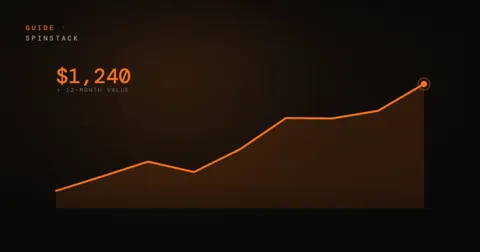
A practical guide to record price tracking: why pressing and condition matter, how to read market history, and how to value your collection without fooling yourself.
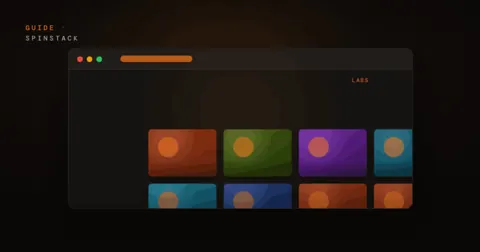
A tour of Spinstack Labs and its three experiments: AI Liner Notes, Groove Vision, and Scratch Detection. On-device, opt-in, and built for collectors.
Learn how to track vinyl wishlist records with less clutter, better price timing, and cleaner data across pressings, shops, and your shelves.
The best ways to catalog records, from Discogs syncing and barcode scans to condition notes, listening logs, and shelf systems that hold up.
Wondering what app tracks record values best? Here is what serious vinyl collectors should look for in pricing, history, and collection data.
Learn how to scan records with iPhone camera for fast cataloging, better matches, and cleaner vinyl data without breaking your shelf ritual.
Collection management is infrastructure, not paperwork. Release-level accuracy, a shelf system you will actually use, honest condition notes, and listening logs that keep the shelves trustworthy.
Most sync apps stop at import. The real standard goes further: pressing-level trust, listening logs, analytics, and price tracking that turn ownership data into a living collection.
Most collectors track what they own, not what they play. How to build a fast, pressing-level play log you will still use on a quiet Tuesday six months from now.
Sync is not the same as import. How to bring your Discogs collection across without losing release IDs, folders, or the notes that make it yours.
Discogs nails release data and market value, but play counts, last-played dates, and listening trends are a different layer. Where Discogs stops, and what to pair it with.
A wishlist is not separate from the shelf. It is the shelf, projected forward. What to look for: release-level saving, price tracking, notes, and a wishlist that connects to the collection you already own.
The shelf gets a voice. On-device AI writes about your collection. LiDAR scans your grooves. Heavy Rotation. Gift Mode. Marketplace. Fifteen features. The biggest update since launch.
A record collection does not feel temporary. The software around it should respect the same instinct. Why one-time pricing fits collectors who think in decades, not quarters.
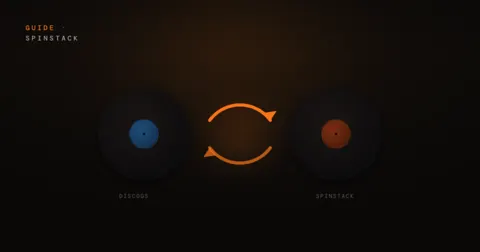
Sync is not about moving data around. It is about preserving the accuracy of a collection that took years to build. Account access, source-of-truth rules, matching, and duplicate cleanup.
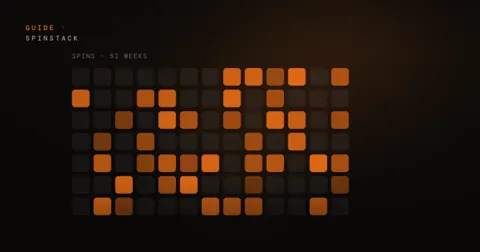
A record shelf tells you what you own. A listening diary tells you what you actually live with. What to track, paper versus digital, and the patterns you only see after months.
The cataloging method that separates a real collection from a pile of records. Barcode scanning, condition grading, pressing-level data, NFC tagging, and what happens after the catalog exists.
One app gives you access to a platform. The other gives your records a home on the devices you already use. AI Liner Notes, Groove Vision, Siri Shortcuts, Last.fm Hub, and fifteen features Discogs mobile does not have.
A record collection stops feeling manageable at about the same point it starts getting interesting. The question is what kind of database deserves to sit next to a collection built record by record.
The bar is not whether you can post a record and get a few likes. It is whether the app respects the collection as an object with history, value, context, and personal meaning.
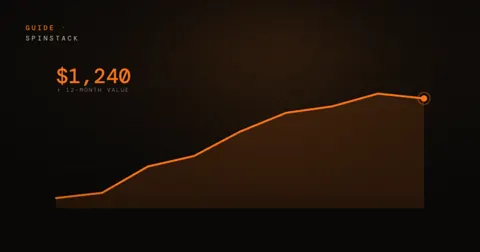
Growth is not just volume. It is shape. The metrics, patterns, and signals that tell you whether your collection is getting better or just getting bigger.
The sleeve is both a clue and a trap. What it takes for AI identification to earn a place in the collector workflow without pretending certainty where none exists.
A record collection is not a pile of SKUs. What separates a real collector app from a lightweight checklist, and why design matters more than most collectors admit.
What vinyl price drop alerts should do for serious collectors. Release-level tracking, meaningful notifications, and how to use alerts without buying junk or chasing noise.
The hardware chain, recording settings, cleanup philosophy, and organization system that keep a digital vinyl archive useful. From turntable to tagged file without wrecking the sound.
What a record inventory app Mac collectors actually need. Release accuracy, visual design, Discogs import, listening logs, and why the best desktop catalog extends across every Apple device.
Same album, same cover, different experience. A four-point method using dead wax, labels, sleeves, and audio to identify editions, avoid mistakes, and buy smarter.
What separates real vinyl collection analytics from decorated inventory. Spin tracking, value context, wishlist patterns, rediscovery tools, and why design is part of the function.
Alphabetical, by genre, by label, or by mood. The system that works is the one you will actually maintain. Physical and digital strategies for every collection size.
What separates a real collector app from a glorified checklist. Release accuracy, Discogs sync, barcode scanning, listening logs, and native Apple design compared.
Why most value trackers fall short, what release-level accuracy actually means, and how to monitor what your vinyl is worth without turning collecting into accounting.
What separates a real vinyl barcode scanner from a novelty feature. Speed, accuracy, pressing-level matching, and the collection workflow that matters.
The right system respects the romance of playing records while giving you clean data you will actually use. Methods compared, from notebooks to apps.
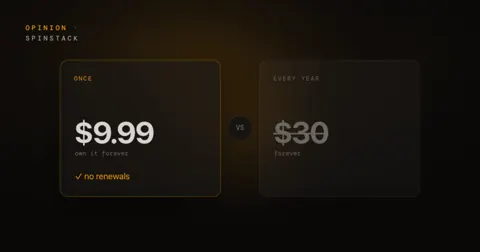
Subscription fatigue is real. Spinstack costs $9.99 once, forever. No monthly fees, no annual renewals. Here is why we chose this model.
Spinstack, Discogs, Groovv, and five more vinyl apps reviewed side by side. Features, pricing, platforms, and an honest verdict on each.
Step-by-step guide to syncing your Discogs collection with Spinstack. Full metadata, cover art, and two-way sync in under a minute.
Everything you need to know about handling, storing, cleaning, and maintaining your vinyl records. Keep your collection in perfect shape for decades.
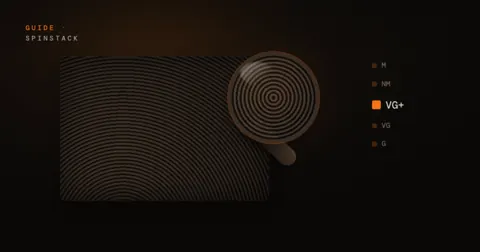
Learn the Goldmine grading scale, understand the difference between record and sleeve grades, and discover how Spinstack helps you track condition across your entire collection.
Stick an NFC tag on a record sleeve, tap your phone, and instantly pull up that album in your collection. Here is how it works and why it matters.
The gear you actually need, the records to buy first, where to find them, and how to organize everything from day one. No gatekeeping, no snobbery.
First pressings, condition grades, sale history, and the tools you need to figure out what your records are actually worth.
The database, the marketplace, and the tricks that separate casual browsers from power users. Everything you need to know about Discogs.
Nine turntables across three budgets. What to buy, what to avoid, and what actually matters when choosing your first or next turntable.
Alphabetical, by genre, by label, or something else entirely. Multiple methods compared, plus the physical and digital tools to make it work.
Every grade on the Goldmine scale explained. What each one looks like, sounds like, and what it means for the price you should pay.
Dry brushing, wet cleaning, ultrasonic machines, and the mistakes that ruin records. A complete cleaning guide for every budget.
$9.99 once. No subscription.
Try everything free for 30 days. No credit card.
Download on the App Store